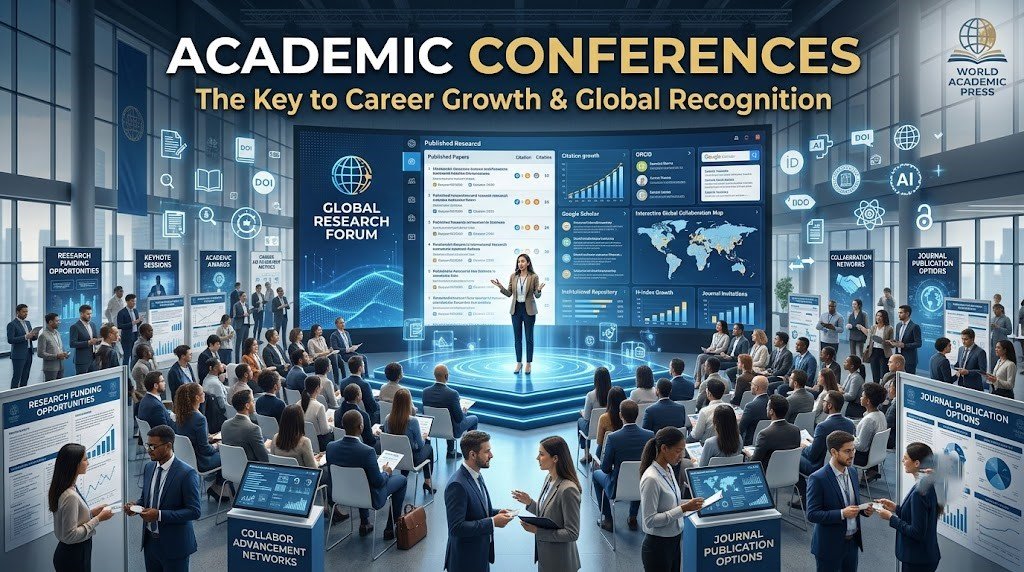
How Conferences Help Academic Careers (2026)
Academic conferences have long been a cornerstone of scholarly communication. They provide researchers with opportunities to present new findings, exchange ideas, receive expert feedback, and build meaningful professional relationships. In 2026, conferences have become even more valuable as they combine in-person networking with virtual participation, allowing researchers to connect with experts from around the world.
Whether you are a postgraduate student, PhD scholar, faculty member, or experienced researcher, participating in academic conferences can significantly strengthen your career. Beyond presenting research, conferences open doors to collaborations, funding opportunities, journal publications, and professional recognition.
Why Academic Conferences Matter
Conferences bring together researchers, educators, journal editors, publishers, industry professionals, and policymakers to discuss the latest developments in their fields. They create an environment where knowledge is shared, partnerships are formed, and innovative research ideas emerge.
Attending conferences helps researchers stay updated with emerging trends while expanding their professional network.
1. Present Your Research to a Global Audience
Conference presentations allow researchers to showcase their work before experts from universities and research institutions worldwide. Presenting your findings increases visibility and establishes your expertise within your discipline.
2. Build Valuable Academic Networks
One of the greatest benefits of conferences is the opportunity to connect with fellow researchers, professors, journal editors, publishers, and funding organizations. These connections often lead to collaborative research projects, co-authored publications, and long-term professional relationships.
Related guide: Academic Networking Tips for Researchers.
3. Receive Expert Feedback
Presenting research at conferences allows scholars to receive constructive feedback before submitting their work to journals or publishers. Suggestions from experienced researchers can improve the quality of your manuscript and strengthen your conclusions.
4. Increase Research Visibility
Conference presentations often attract attention from researchers interested in similar topics. Increased visibility can lead to more citations, collaborations, and invitations to contribute to research projects.
Learn more:
5. Discover the Latest Research Trends
Academic conferences showcase cutting-edge research, technological innovations, and emerging methodologies. Attending keynote sessions and technical presentations helps researchers remain competitive in their fields.
6. Improve Publication Opportunities
Many conferences collaborate with academic journals or publishers that invite selected papers for publication in special issues or conference proceedings. These opportunities help researchers expand their publication record.
Related article: Academic Publishing Trends Every Author Should Know.
7. Develop Professional Skills
Presenting at conferences strengthens public speaking, scientific communication, leadership, and networking skills. These abilities are valuable for teaching, grant applications, and career advancement.
8. Explore Research Funding Opportunities
Funding agencies and research organizations frequently participate in conferences to introduce grant programs and connect with researchers working on innovative projects.
9. Strengthen Your Academic Profile
Conference presentations demonstrate active engagement with the research community and enhance your academic CV. Participation reflects commitment to continuous learning and professional development.
Related guide: How to Build a Strong Research Profile Online.
10. Advance Your Academic Career
Researchers who regularly participate in conferences often gain greater recognition within their disciplines. These experiences support promotions, tenure evaluations, leadership opportunities, and international collaborations.
Tips for Maximizing Conference Benefits
- Prepare a clear and engaging presentation.
- Network with speakers and attendees.
- Participate in workshops and panel discussions.
- Exchange contact information with collaborators.
- Share your presentation through professional platforms.
- Follow up with new connections after the event.
Conclusion
Academic conferences are much more than events—they are opportunities to build relationships, share knowledge, improve research quality, and accelerate career growth. By actively participating in conferences, researchers can expand their professional network, increase research visibility, discover new opportunities, and contribute to the advancement of global scholarship.
Whether you are presenting your first paper or attending as an experienced academic, conferences remain one of the most effective ways to strengthen your academic journey in 2026.
For more expert guidance on academic publishing, research visibility, scholarly communication, and researcher development, visit World Academic Press.